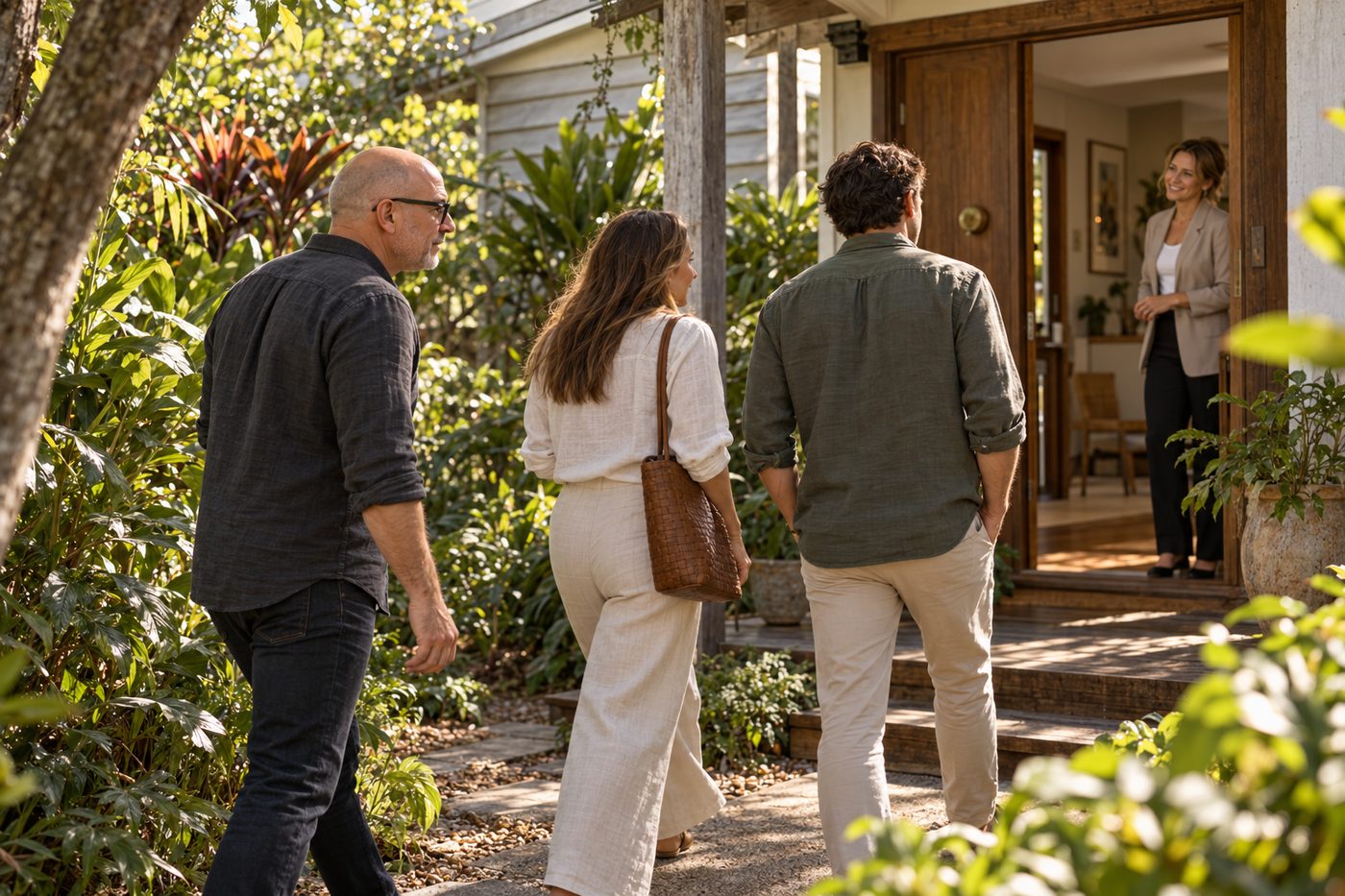
The right buyer's agent for off-market work is the one who can show you how they source, verify and price a property that never reaches Domain or REA. Off-market access is a relationship skill, not a secret list. The honest expectation is that off-market is about paying a fair price without going to market, not about saving thousands.
What does "off-market" actually mean in Australian property?
Off-market properties fall into three types: off-portal, pre-market and bona fide off-market. The distinction matters because each type changes what you are actually being offered.
A genuine off-market property has no Domain or REA listing, no signboard and no public campaign. According to BuyerX, an off-market property is never listed on Domain, never shown on REA, and has no 'For Sale' sign.
Some stock described as off-market is simply pre-market stock arriving one to four weeks before the portals. A 2021 PropertyChat post categorised off-market properties into off-portal, pre-market and bona fide off-market types. Off-portal properties are advertised via agencies but not on REA or Domain. Pre-market properties appear one to four weeks before the official portal launch.
Bona fide off-market properties are not advertised on any sites, lists or database emails. They are discovered only upon agent contact or private sale canvassing. The sceptical view is worth holding: a Whirlpool forum participant claimed the vast majority of transactions come from advertised listings, and that a property is either for sale or not for sale.
How do buyer's agents actually find off-market properties?
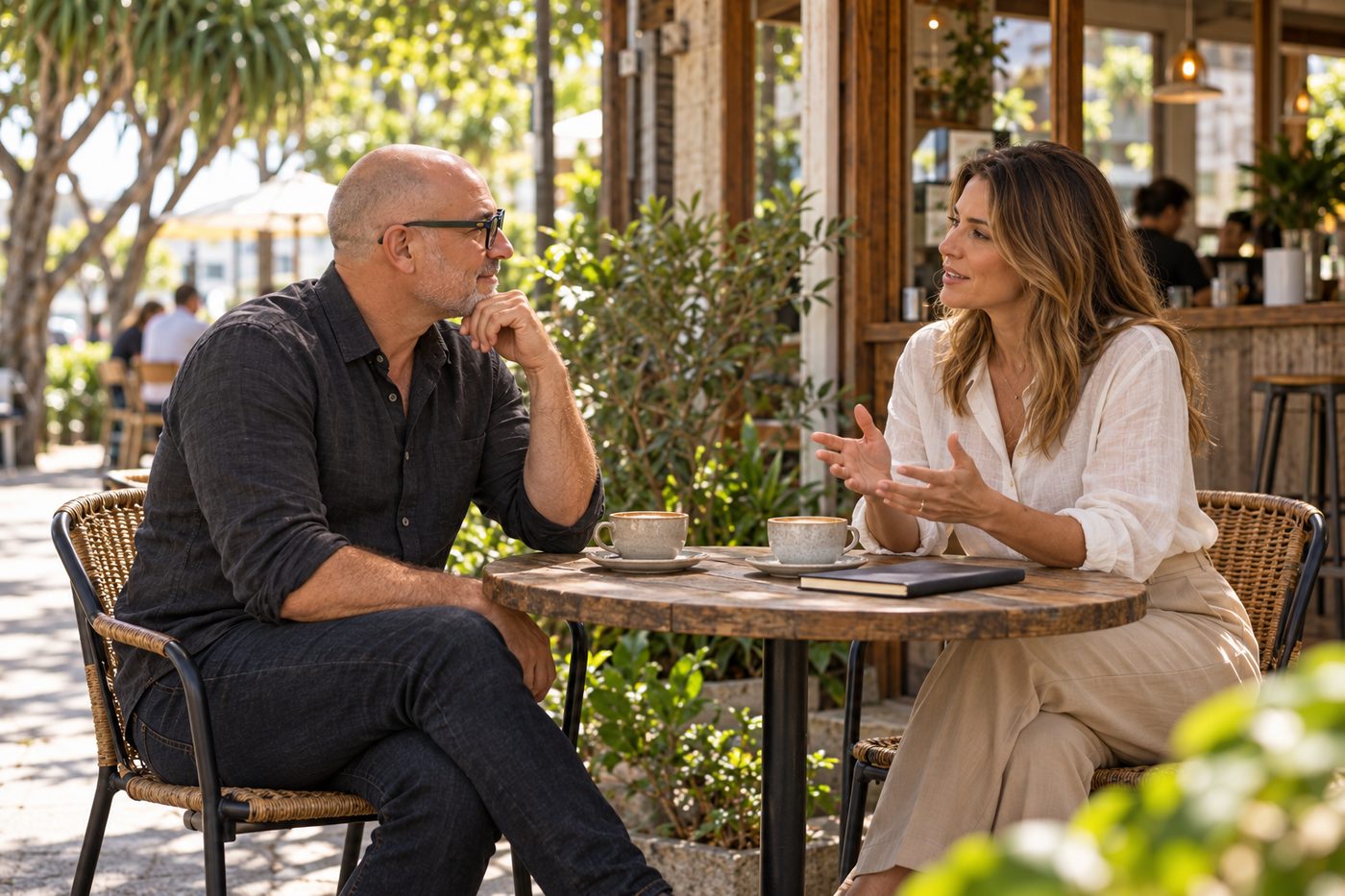
Buyer's agents find off-market properties through industry networks, direct outreach, proprietary databases and monitoring market trends. The most reliable source is usually a relationship with a selling agent who knows what is coming before it reaches the portals.
According to BuyerX, buyer's agents cultivate relationships with selling agents, property developers, buyers, sellers and private vendors to gain early insights into properties. A Whirlpool forum participant noted that agents have lists and already know current local buyers who have attended their open days.
Some buyer's agent firms maintain proprietary databases of off-market properties from past clients, developers and private sellers. These databases are useful, but they are not the whole story. BuyerX reports that buyer's agents also monitor probate filings, pre foreclosures and upcoming development projects to spot potential off-market deals.
Direct outreach and canvassing is how bona fide off-market stock is usually uncovered. A buyer's agent who relies only on databases is seeing the same quiet listings as everyone else. The agent who picks up the phone and works a local patch is the one who finds the property that was never going to be advertised at all.
Why do sellers choose to sell off-market?
Sellers choose off-market sales for confidentiality, convenience, lower costs and time efficiency. According to BuyerX, off-market sales allow sellers to bypass expenses such as professional photography, home staging, advertising fees and auctioneer costs.
The vendor types behind off-market sales are not all the same. A 2021 PropertyChat post identified five groups: not quite ready vendors, private or high end vendors, market tester vendors, relister vendors and anti agent private sellers.
Each vendor type signals a different negotiation posture. A market tester is fishing for a price and may not sell at all. A private or high end vendor wants discretion and will pay for it. A not quite ready vendor may need time, which changes the settlement conversation.
You should ask your buyer's agent which vendor type you are dealing with before you invest time in an off-market property. The answer changes how you price the opportunity and how you structure your offer.
Do off-market properties actually sell for less?
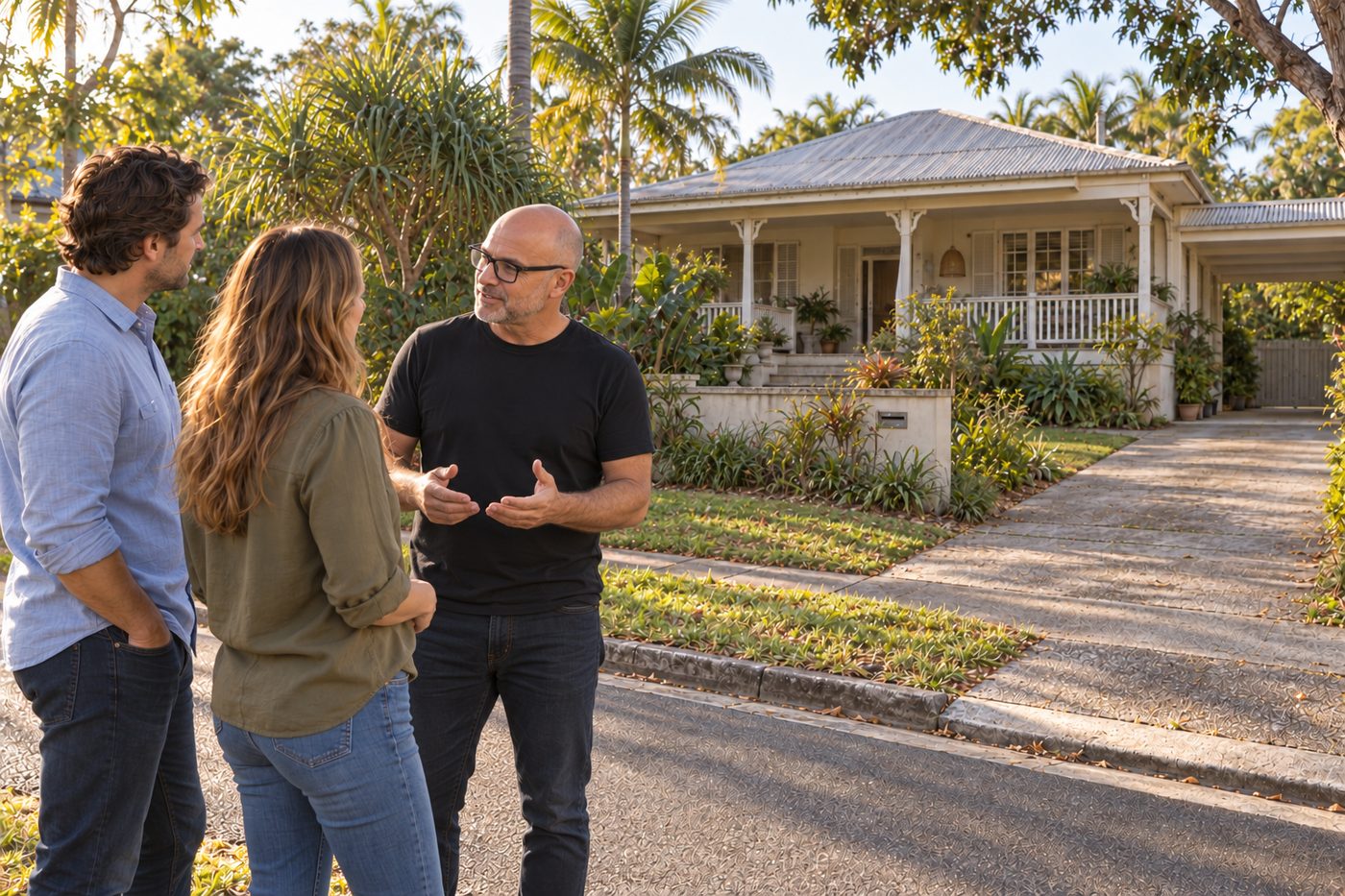
No, off-market properties do not reliably sell for less. Off-market removes competition, not necessarily price, and a quiet sale still needs to satisfy the vendor.
Buyers often assume a discount, while agents see fair value without a public campaign. The gap between those two expectations is where disappointment happens. A Whirlpool forum participant stated there is "no such thing as an off market opportunity" and that a property is either for sale or not for sale.
In Queensland, an agent cannot lawfully market or sell a property without a signed Form 6 appointment under the Property Occupations Act 2014. Since 1 August 2025, a seller must also give the buyer a disclosure statement before a contract is signed, under the Property Law Act 2023. A genuine off-market sale still carries this paperwork, so ask your buyer's agent to confirm both are in order before you inspect.
Ask any agent to show comparable evidence for their pricing, not just their access. A buyer's agent who can produce recent comparable sales for the same street or suburb is giving you a defensible position. One who cannot is asking you to price on hope.
What should I ask a buyer's agent before I engage them for off-market work?
Ask how they source stock, how often they present off-market options, and what proportion of their purchases are off-market. Ask what due diligence they run when there is no public campaign, no price guide and no comparable listing history. Ask who they act for and whether any part of their advice is conflicted by an upsell.
The answers should be specific. A buyer's agent who says they have "access" without explaining how they source, verify and price a quiet listing is not giving you enough. According to BuyerX, the real work happens through industry networks, direct outreach and monitoring market trends.
TDC runs this as one accountable practice across the journey. AVANTAGE provides independent buyers advocacy on the Sunshine Coast, acting only for the buyer from search to a finished home. BUYERSEYE offers a vendor's presale property review by a practising buyers agent. REALens is a structured conversation that gives a buyer clarity before they commit. The Concierge manages everything between a decision and a finished home, including renovation, interior design, trades, procurement and setup.
A Whirlpool participant noted that in Queensland, buyers agents are not so often generally used. That makes local depth a genuine question. Ask how many off-market purchases the agent has completed in your target suburb in the past two years.
What due diligence matters more when a property is off-market?
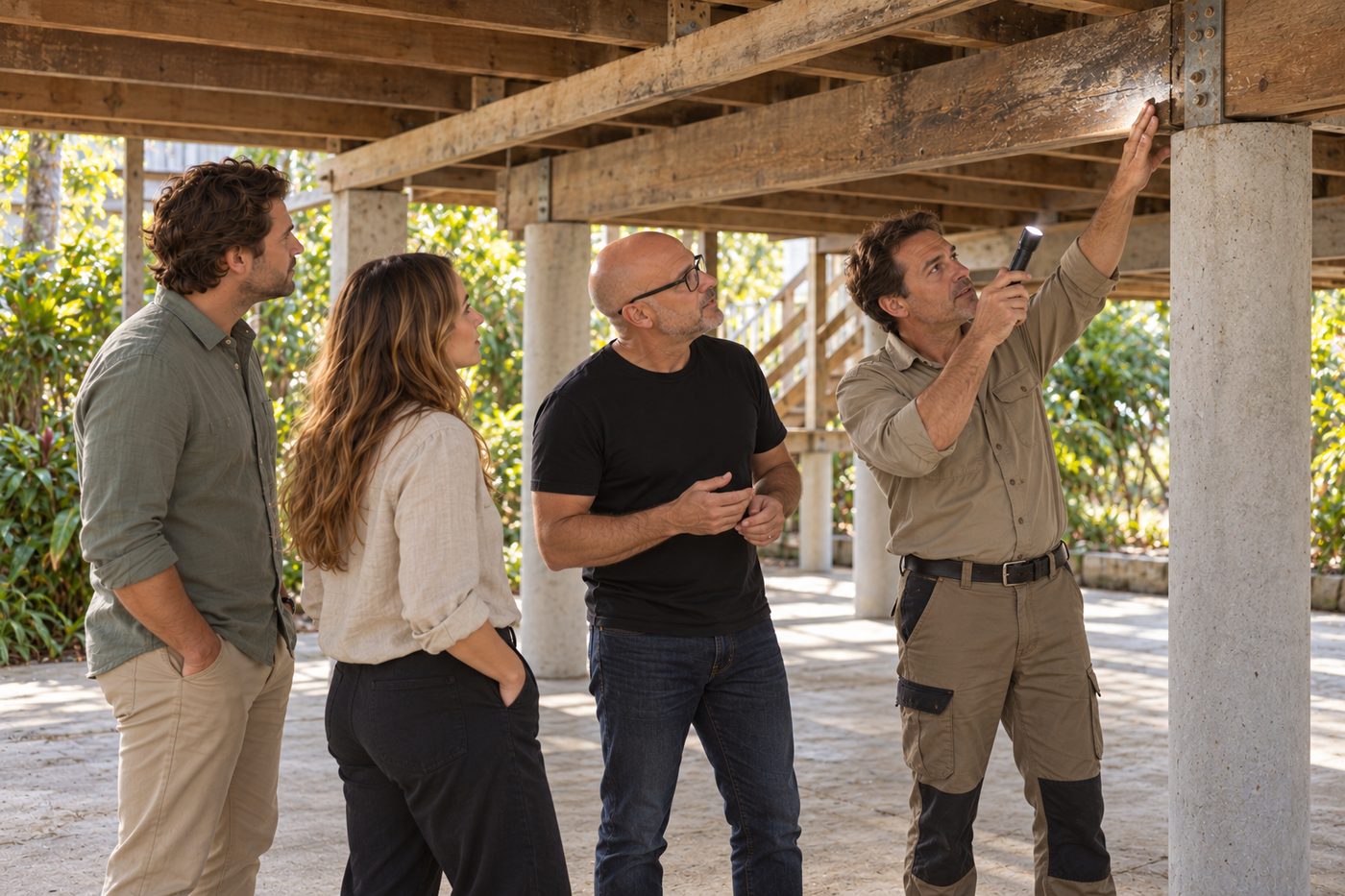
Due diligence matters more when a property is off-market because you lose the price guide, the days on market data and the inspection trail that a public campaign creates. Without those signals, you need to build your own evidence base.
Independent valuations from licensed valuers give you a defensible position before negotiating. A Whirlpool participant proposed obtaining two market valuations from licensed valuers before selling privately. The same logic applies to buying: two independent valuations give you a range, not a guess.
Verify the property is genuinely off-market rather than simply not yet listed. A pre-market property that will hit the portals in two weeks is a different negotiation from a bona fide off-market property that will never be advertised. The PropertyChat categorisation is useful here: ask which of the three types you are actually looking at.
Confirm the Queensland position. A signed Form 6 appointment must be in place before a property is marketed, and a seller disclosure statement is now required before a contract, so even a quiet off-market deal on the Sunshine Coast follows a clear process. A buyer's agent working the coast should be able to explain it plainly.
How do buyer's agent fees compare with going it alone?
Buyer's agent fees follow two common models: a fixed engagement fee or a percentage of the purchase, quoted upfront. The fee structure matters less than what it buys you in sourcing, verification and negotiation.
Compare the fee against the commission a vendor pays. For scale, a selling agent commission of around 2.8 per cent on a $1.5 million sale is about $42,000. A buyer's agent fee is a separate cost, but it is the only cost in the transaction that is working for you.
Buyers agents are less commonly used in Queensland than in southern markets, according to a Whirlpool participant. That means you should ask about local depth before engaging one. A buyer's agent with genuine Sunshine Coast and Brisbane relationships is different from one parachuting in from Sydney.
Weigh the fee against the cost of a poor decision, not against the hope of a discount. An off-market purchase that turns out to be overpriced, legally tangled or structurally compromised will cost far more than any engagement fee.
Key takeaways
- A genuine off-market property has no Domain or REA listing, no signboard and no public campaign.
- Off-market stock falls into three types: off-portal, pre-market and bona fide off-market.
- Bona fide off-market properties are usually found through agent contact and private sale canvassing, not databases alone.
- Sellers go off-market for confidentiality, convenience, lower costs and time efficiency.
- Off-market access removes competition, but it does not guarantee a discount below fair market value.
- In Queensland, an agent needs a signed Form 6 appointment before marketing a property, and since August 2025 a seller disclosure statement is required before a contract.
- Buyers agents are used less commonly in Queensland than in southern markets, so local depth matters when you choose one.
References
- Selling 'Off Market' property via a buyers agent · Whirlpool, 2024
- Buyers agents and off market · PropertyChat, 2023
- How Buyers Agents Find Off-Market Properties · BuyerX, 2025
- Residential agent appointment (Form 6) · Queensland Government, Office of Fair Trading
- New seller disclosure regime in Queensland · REIQ, 2025